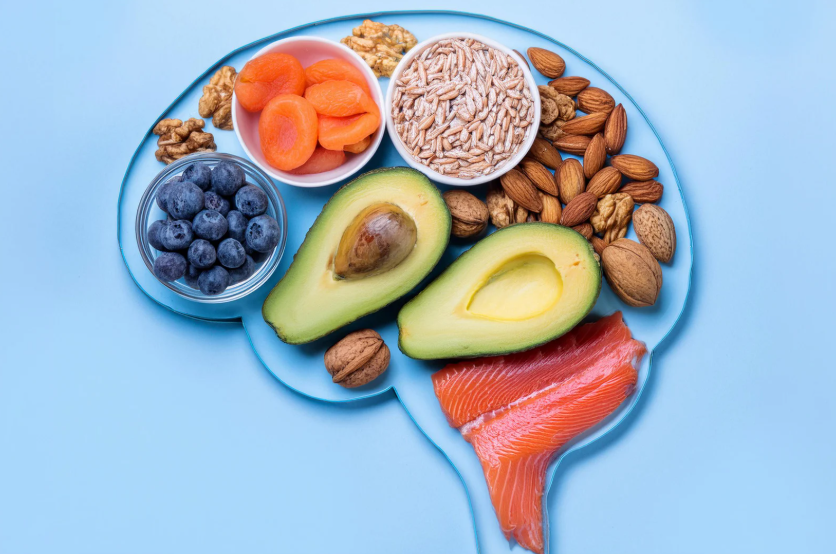
Your gut and brain are in constant two-way conversation. Gut microbes, intestinal cells, the immune system, and the vagus nerve all send signals that influence mood, memory, stress response, and cognitive performance. What you eat shapes that conversation. This post explains how the gut–brain axis works and lists evidence-based foods and practical strategies to support mood and cognition through diet.
How the gut influences the brain
- Microbial metabolites: Gut bacteria produce short-chain fatty acids (SCFAs) like butyrate, and other metabolites that affect inflammation, neurotransmitter function, and the blood–brain barrier.
- Neurotransmitter precursors: Foods supply tryptophan, tyrosine, and other amino acids used to make serotonin, dopamine, and norepinephrine.
- Immune signaling: Gut permeability and microbiome imbalance can trigger systemic inflammation that negatively impacts brain function.
- Vagal signaling: The vagus nerve transmits gut-derived signals directly to brain regions that regulate mood and stress.
Foods that support mood and cognition
Fermented foods (probiotic-supporting)
- Examples: yogurt with live cultures, kefir, sauerkraut, kimchi, miso, tempeh.
- Why: Introduce live microbes and may improve anxiety, depressive symptoms, and stress reactivity in some studies. Choose unpasteurized or properly fermented products or high-quality refrigerated options.
Prebiotic-rich fiber (feeds beneficial microbes)
- Examples: onions, garlic, leeks, asparagus, Jerusalem artichoke, chicory root, bananas, oats, apples.
- Why: Prebiotics stimulate growth of SCFA-producing microbes; SCFAs support brain health and reduce inflammation.
High-quality protein (neurotransmitter precursors)
- Examples: eggs, poultry, fish, lean red meat, dairy, legumes, soy.
- Why: Provide tryptophan and tyrosine for serotonin and dopamine synthesis; help stabilize blood sugar, which supports mood and focus.
Omega-3–rich foods (anti-inflammatory, neuroprotective)
- Examples: fatty fish (salmon, mackerel, sardines), flaxseed, chia seeds, walnuts, algae oil.
- Why: EPA/DHA support neuronal membrane health, reduce inflammation, and associate with lower depression risk and cognitive benefits.
Polyphenol-rich plant foods (microbiome modulators, antioxidants)
- Examples: berries, cherries, cocoa (dark chocolate), green tea, coffee in moderation, colorful vegetables, herbs, and spices (turmeric, cinnamon).
- Why: Polyphenols feed beneficial microbes and have antioxidant and anti-inflammatory effects linked to improved cognition and mood.
Whole grains & complex carbohydrates (steady energy + microbiome support)
- Examples: quinoa, brown rice, oats, barley, whole wheat.
- Why: Provide sustained glucose for brain function and fermentable fibers for the gut.
Foods high in B-vitamins & magnesium (mood and cognition cofactors)
- Examples: leafy greens, legumes, nuts, seeds, whole grains, eggs, liver (or quality supplements if deficient).
- Why: B12, folate, B6, and magnesium are critical for neurotransmitter synthesis and energy metabolism.
Hydrating foods & fluids
- Examples: water, herbal teas, water-rich fruits and vegetables (cucumbers, watermelon).
- Why: Even mild dehydration impairs attention and mood.
Practical meal- and snack-level ideas
- Breakfast: Greek yogurt with berries, sliced banana, chia seeds, and a drizzle of honey.
- Lunch: Mixed greens salad with grilled salmon, avocado, roasted beets, pumpkin seeds, and a lemon-tahini dressing.
- Snack: Apple slices with almond butter and a few dark chocolate squares.
- Dinner: Miso soup starter, stir-fried tempeh with garlic, onions, asparagus, brown rice.
- Beverage: Green tea or warm water with lemon; coffee in moderation.
Lifestyle habits that amplify the gut–brain benefits of food
- Prioritize sleep: Poor sleep alters microbiome composition and neurotransmitter balance.
- Move regularly: Physical activity promotes beneficial microbes and supports cognition.
- Manage stress: Chronic stress harms the gut microbiome and increases gut permeability—use breathwork, meditation, or therapy.
- Eat regularly and avoid long blood-sugar dips: Stable glucose supports focus and mood.
- Minimize ultra-processed foods and excessive alcohol: These can harm microbial diversity and increase inflammation.
When to consider testing or professional help
- Persistent mood disorders, anxiety, cognitive decline, or severe digestive symptoms merit evaluation by a clinician.
- Consider targeted testing (nutrient levels, thyroid, inflammatory markers, microbiome analysis) if symptoms are resistant to dietary and lifestyle changes. Work with a qualified practitioner to interpret results.
Simple mini-protocol
- Day-to-day: include one fermented food per day, two servings of fatty fish per week (or algae oil if vegan), at least 25–30 g fiber daily from diverse plant sources, one polyphenol-rich snack (berries/green tea/dark chocolate), and prioritize protein at each meal.
- Track: mood, sleep, digestion, and focus for 2–4 weeks to notice trends.
Caveats and personalization
- Individual responses vary—some people with IBS or histamine sensitivity may react to specific fermented foods or FODMAP-rich prebiotic foods. Personalization and stepwise trials help find the right pattern.
- Supplements (probiotics, omega-3s, vitamin D, B12) can be useful when diet alone isn’t enough; consult a clinician for dosing and quality.
Eating for a healthy gut supports a healthier brain. Prioritize whole, minimally processed foods: fermented foods, diverse fibers, quality protein, omega-3s, and colorful polyphenol-rich plants. Combine dietary changes with sleep, movement, and stress management for the greatest impact on mood and cognition. Small, consistent changes can lead to meaningful improvements over weeks to months.
Leave a Reply