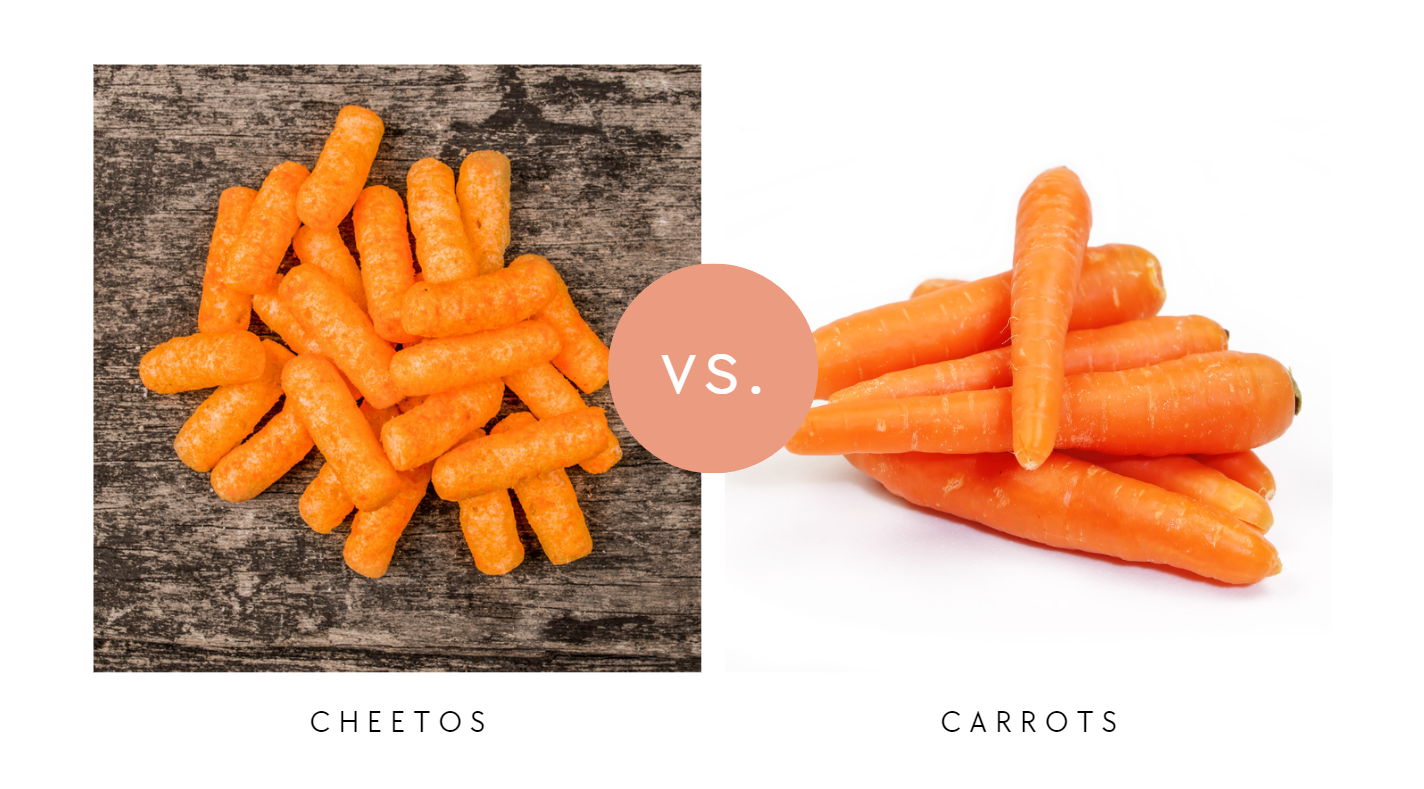
For decades, calories have been the shorthand for weight management and healthy eating: eat fewer calories than you burn and you’ll lose weight. But not all calories are created equal. Nutrient density—the amount of vitamins, minerals, fiber, protein, and beneficial phytonutrients per calorie—matters for satiety, metabolic health, body composition, and long-term disease prevention. Focusing on quality instead of just quantity produces better outcomes and a more sustainable relationship with food.
What each approach emphasizes
- Calorie counting: Measures energy intake. Useful for weight control, provides clear targets, and can create accountability. But it treats all calories as equivalent.
- Nutrient density: Prioritizes foods that deliver more micronutrients, fiber, and beneficial compounds per calorie (e.g., vegetables, fruits, lean proteins, whole grains, legumes, nuts, seeds, and fermented foods). It emphasizes health outcomes beyond weight.
Why nutrient density often wins
- Better satiety and appetite regulation
Foods high in fiber, protein, and water (vegetables, legumes, whole fruits, lean meats) slow digestion, increase fullness hormones, and reduce hunger. That makes it naturally easier to stay within calorie goals without constant tracking. - Superior body composition
Protein-rich, nutrient-dense diets preserve lean muscle during weight loss and support recovery when exercising. Simply cutting calories without adequate protein and micronutrients risks muscle loss and metabolic slowdown. - Improved metabolic and long-term health
Micronutrients, antioxidants, and anti-inflammatory compounds in nutrient-dense foods support insulin sensitivity, cardiovascular health, immune function, and reduce chronic disease risk—benefits that a calorie-matched diet of ultra-processed foods won’t provide. - Reduced cravings and better food quality
Processed, calorie-dense, nutrient-poor foods often override satiety signals and encourage overeating. Nutrient-dense patterns stabilize blood sugar and reduce reward-driven cravings. - Sustainability and enjoyment
Eating to maximize nutrient density encourages variety, flavor, and satisfaction, making healthy habits easier to maintain than rigid calorie restriction.
Limitations of calorie counting
- Inaccuracy and variability: Food labels and tracking apps can be off by 10–20% or more; individual metabolic differences make simple calorie equations imperfect.
- Obsession and disordered eating risk: Meticulous tracking can become stressful or unsustainable for some people.
- Ignores food quality: 500 calories of soda + chips is not equivalent metabolically to 500 calories of salmon + vegetables.
How to combine both approaches effectively
You don’t have to abandon calories entirely—use them as a rough framework while prioritizing nutrient density:
- Start with nutrient-dense staples: vegetables, fruits, whole grains, legumes, lean proteins, healthy fats.
- Aim for protein at each meal (20–40 g depending on needs) to preserve muscle and increase satiety.
- Fill half your plate with non-starchy vegetables, a quarter with lean protein, and a quarter with whole grains or starchy vegetables.
- Prefer whole foods over processed; trade refined carbs/sugary drinks for fiber-rich alternatives.
- Use calorie tracking selectively—during plateaus or when precise intake matters—rather than as a daily compulsion.
Practical swaps to increase nutrient density
- Soda → Sparkling water with lemon or iced herbal tea
- White bread → Sprouted-grain or whole-grain bread
- Potato chips → Roasted chickpeas or air-popped popcorn
- Pastry for breakfast → Greek yogurt with fruit, nuts, and seeds
- Fast-food burger → Grilled chicken or bean burger with salad
Sample nutrient-dense day
- Breakfast: Greek yogurt, berries, chia seeds, handful of nuts
- Lunch: Mixed-green salad with grilled salmon, quinoa, avocado, olive oil dressing
- Snack: Apple with almond butter
- Dinner: Stir-fry with chicken/tofu, mixed vegetables, brown rice
This pattern supplies protein, fiber, healthy fats, vitamins, and minerals while keeping calories manageable.
Calories matter for weight change, but nutrient density determines how your body feels, performs, and ages. Prioritizing nutrient-dense foods improves satiety, preserves muscle, stabilizes metabolism, and reduces disease risk—making it a smarter, more sustainable approach than calorie counting alone. Use calories as a tool, not the target; let quality guide your everyday choices.
Leave a Reply