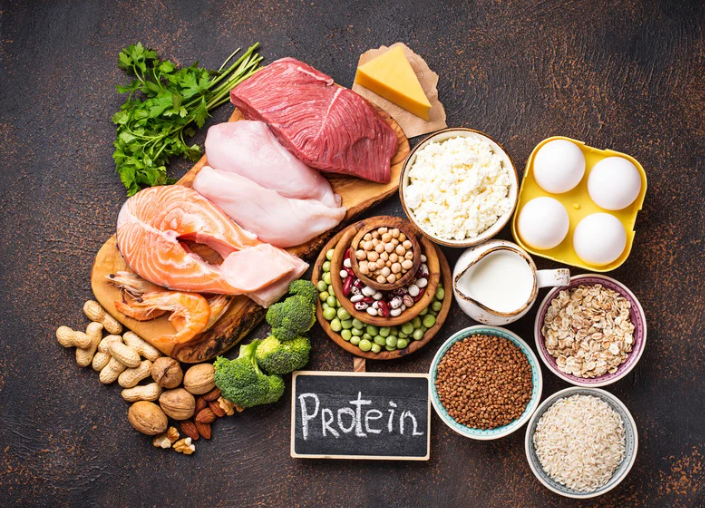
Protein is essential for building and repairing tissues, supporting immunity, maintaining muscle mass, and keeping metabolism healthy. Your protein needs change across the lifespan. This guide breaks down recommended intakes by age and life stage, plus practical tips and food examples to help you meet them.
Basics to know
- Protein needs are commonly expressed as grams per kilogram of body weight (g/kg). To convert pounds to kg: divide pounds by 2.2.
- The Recommended Dietary Allowance (RDA) is a minimum to avoid deficiency, not an optimal target for muscle or function for many people.
- Life stage, activity level, health conditions, and goals (e.g., muscle gain, weight loss, recovery) affect ideal intake.
Infants & toddlers
- 0–6 months: ~1.5 g/kg/day (mostly from breastmilk/formula).
- 7–12 months: ~1.2–1.5 g/kg/day (introduce complementary foods like pureed meats, yogurt, legumes).
- 1–3 years: ~1.05 g/kg/day. Offer varied protein sources in small, frequent meals.
Children & adolescents
- 4–8 years: ~0.95 g/kg/day.
- 9–13 years: ~0.95–0.99 g/kg/day.
- 14–18 years: ~0.85–0.95 g/kg/day (boys slightly higher during growth spurts).
Growing kids and teens need adequate, high-quality protein to support development. Active adolescents and athletes may need more (1.0–1.6 g/kg).
Adults
- 19+ years (general RDA): 0.8 g/kg/day. This is a baseline to prevent deficiency.
- Active adults/strength athletes: 1.2–2.0 g/kg/day depending on training intensity and goals.
- For weight loss: higher protein (1.2–1.6 g/kg or more) helps preserve muscle and increase satiety.
Older adults (50+)
- Recommended higher than RDA to preserve muscle mass and function: 1.0–1.2 g/kg/day, and in some situations 1.2–1.5 g/kg/day (illness, recovery, frailty).
- Spread protein evenly across meals (20–40 g per meal) to maximize muscle protein synthesis.
Pregnancy & breastfeeding
- Additional protein needs: roughly +1.1 g/kg/day in pregnancy and +1.3 g/kg in lactation above non-pregnant needs; many guidelines specify absolute increases (about +25 g/day during pregnancy).
- Prioritize high-quality sources and meet increased caloric needs.
Special situations
- Illness, injury, surgery, or chronic conditions (kidney disease on dialysis, cancer, COPD) often require tailored protein prescriptions—work with a clinician.
- Kidney disease not on dialysis: protein intakes are usually reduced; do not increase protein without medical advice.
Practical portion examples (approx. grams protein)
- 3 oz cooked chicken breast: ~25–27 g
- 3 oz cooked salmon: ~22–23 g
- 1 large egg: ~6–7 g
- 1 cup Greek yogurt: ~15–20 g
- 1 cup cooked lentils: ~17–18 g
- 2 tbsp peanut butter: ~7–8 g
- 1 cup milk: ~8 g
- 1 scoop whey protein powder: ~20–25 g (varies)
Meal planning tips
- Aim for 20–40 g protein per meal for adults, depending on body size and goals.
- Combine plant proteins (grains + legumes) for complete amino acid profiles if you’re vegetarian/vegan.
- Prioritize protein at breakfast — many people under-consume protein at the first meal.
- Snack on protein-rich options: Greek yogurt, cottage cheese, nuts, hummus with veggies, hard-boiled eggs.
Signs you might not be getting enough protein
- Slow wound healing, frequent infections, hair thinning, muscle loss or weakness, prolonged recovery from illness.
When to consult a pro
- If you have chronic disease, kidney issues, are pregnant, elderly with frailty, or an athlete wanting performance goals—talk to a registered dietitian or your doctor for personalized targets.
Protein needs vary by age, activity, and health. Use g/kg as a baseline: infants and growing children need more per kg than adults; older adults generally benefit from higher-than-RDA intakes to preserve muscle. Focus on high-quality sources, distribute protein across the day, and adjust for activity, pregnancy, illness, or specific goals.
Leave a Reply